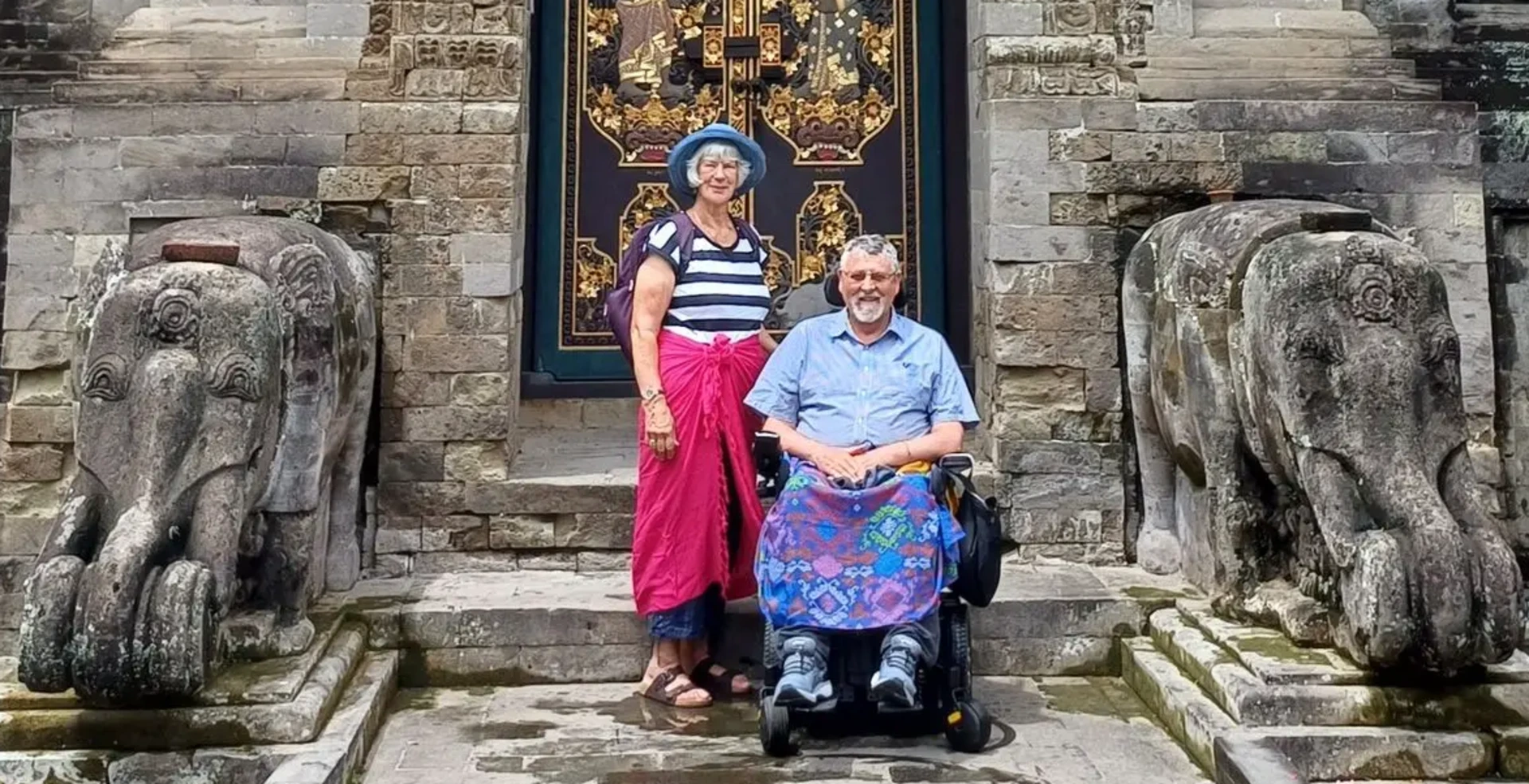
As muscular dystrophy progresses, standing transfers between a wheelchair, bed, toilet or car get harder — and a sit2sit transfer hoist can keep them safe and independent.
Why transfers become the turning point
Home is where life happens. It's the kitchen table, the garden, the spot on the couch next to everyone else. For many people living with muscular dystrophy, staying in that home and staying part of family life is what matters most, and the right support can make that possible for longer.
Muscular dystrophy is a group of genetic conditions that affect people of all ages, and many are children and young adults. Each person's path is different, but the common thread is that muscle strength changes over time. Walking can get harder, and so can standing for a transfer: the move from a wheelchair to a bed, a toilet, a shower chair or the car.
That's the moment where the right equipment makes a real difference, because it keeps daily life moving safely and with dignity.
The gap between a sit-to-stand aid and a sling hoist
There's often a gap in the middle. A sit-to-stand aid needs some standing strength and leg power, and a full ceiling hoist is a big step and a big install. In between sits a real need: people who can no longer take weight through their legs, but who don't need to be fully reclined or lifted from the floor.
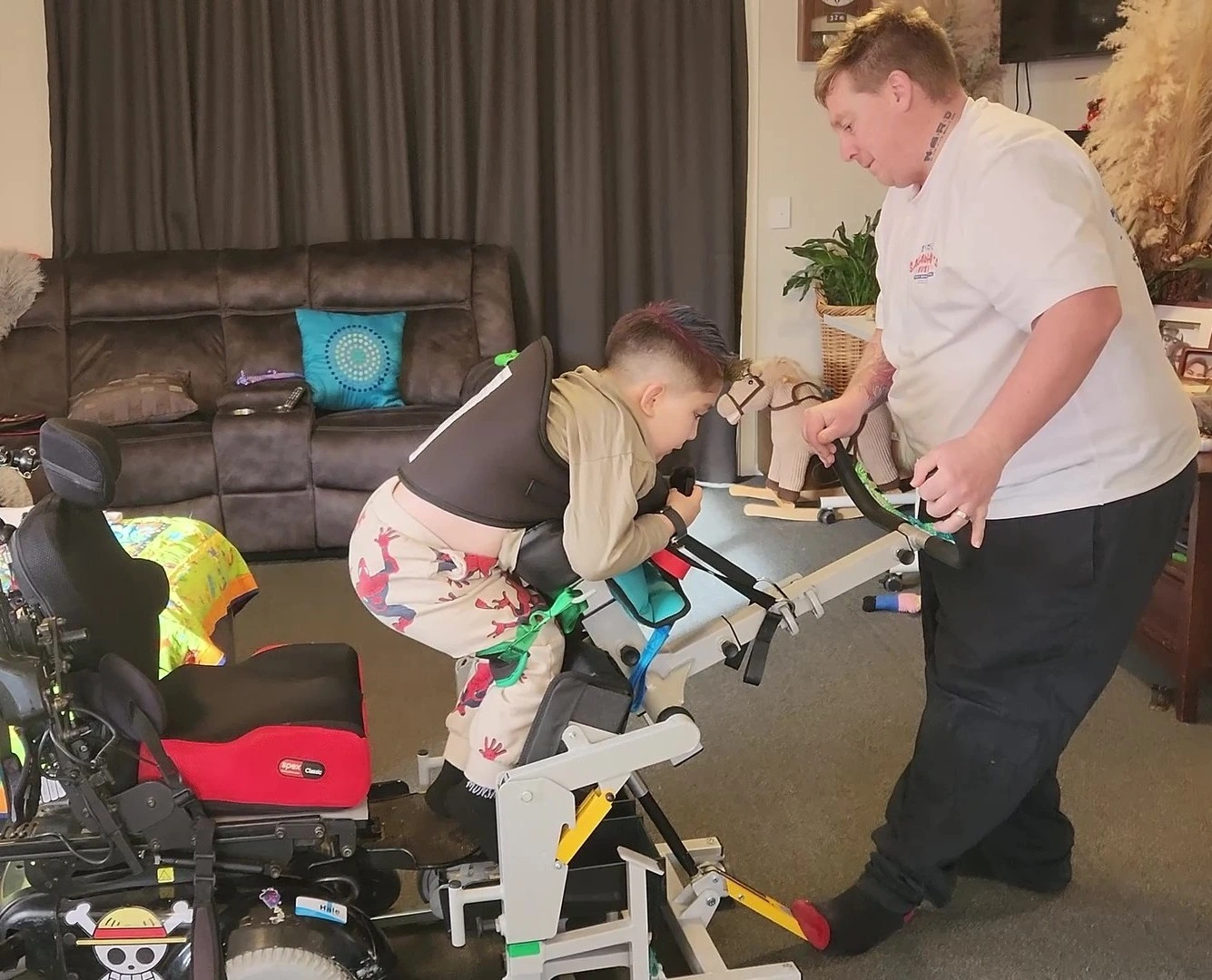
What a sit2sit transfer hoist does!
That's the gap the Kera fills. The Kera is a sit2sit transfer hoist, so it moves a person between two seated positions, bed to wheelchair to toilet to shower chair to car or recliner, with no standing required and no sling to wrestle on. One caregiver can manage it safely.
Easing the load on family caregivers
That last point matters for families, because caregiving is usually done by a partner, a parent or an adult child. As one person living with the condition put it, living independently can mean recognising where you need support so you can get on with living, and good equipment is part of that picture.
The advocacy organisations make the same point in different words. Muscular Dystrophy New Zealand works for "freedom of choice and a responsive society", with fieldworkers who help people find the support they need. The Muscular Dystrophy Association in the United States frames its mission as helping people "live longer, more independent lives". Across all of them the themes repeat: independence, dignity, staying at home, and easing the load on caregivers.
The Kera is a funded option in New Zealand. If transfers are getting harder at home, it's worth a conversation with your Occupational Therapist, who can look at your situation and tell you whether a sit2sit transfer hoist is a good fit.
Is the Kera right for you? Talk to your OT
If transfers are the thing standing between your family and an ordinary day at home, ask your OT about a Kera trial, or talk to us.